You may have heard of Feng Shui when it comes to furniture layout, but you might not be sure how to incorporate this ancient practice into your space, or what benefits it really brings. In today’s article, we’ll delve into what Feng Shui is, why it’s beneficial to you and your life, how to apply it to your home, and share tips to avoid bad Feng Shui.
What is Feng Shui?
So, what does Feng Shui actually mean? Feng Shui, literally meaning “wind and water,” represents the fluidity and flow of life. It is a traditional Chinese practice that aims to harmonize people with their surrounding environment, such as home or office-space. It’s based on the idea that our living spaces reflect and affect our inner lives. By arranging our environment to optimize Qi (energy) flow, we can improve various aspects of our lives, from health to relationships and career.
As an ancient Chinese tradition, Feng Shui has numerous resources for in-depth study. However, today we’ll focus on the basics. Much of the knowledge from this tradition has been passed down orally, making it something that is often learned through practice. By applying some of the most common tips and tricks, you can discover what works best for you.
How does Feng Shui Work?
Feng Shui is all about harnessing the flow of good and bad fortune (seen as tangible elements that can be controlled) through some pretty straightforward rules. By arranging your apartment in a purposeful, thought out manor, you can increase your chances of good fortune in your life.
At its heart, Feng Shui manages Qi (pronounced “chee”), which, in ancient Chinese tradition, is a cosmic energy that flows through everything. The trick is to make sure the Qi in your home moves smoothly—without anything that could obstruct its path. You do this by thoughtfully placing your furniture, choosing the right colours, and organizing your space wisely. Later on in this article we will go through more specific tips and tricks on how to arrange your rooms according to Feng Shui.
Feng Shui doesn’t just take into consideration the placement of furniture in a room, but also the material, shape and colour, too. It’s about creating a space that feels open and inviting, allowing Qi to flow freely. When you get the flow of Qi right, it can have a big impact on how you feel inside. Once you find that perfect spot where everything aligns, it will help you achieve a state of shū fú (舒服), or harmony with the universe.
Key Feng Shui Terms
Before we get into some specific changes you can make to improve your space, let’s define some of the key terms that are necessary when discussing Feng Shui.
Qi 氣
Qi, also known as chi, is the vital life energy that flows through everything.
Having a good balance of Qi in your apartment is crucial when designing. For instance, a small room crammed with belongings can trap the Qi, leading to a sense of stagnation and discomfort. On the other hand, a big room with barely any furniture can lead to a large rush of Qi, making you feel lost or unsettled.
Commanding Position
The commanding position in Feng Shui refers to the spot in a room that is furthest away from the door, but not directly in line with it, giving you the widest view of the room. This is the optimal place to spend the most time in a space, as it allows you to have a clear line of sight to the door, giving you a subconscious sense of security and awareness.
Ideally, your bed, desk, and oven should be in this position, as they represent key aspects of your life: your bed symbolizes you, your desk represents your career, and your stove signifies your wealth and resources. With these items placed in commanding position, you can enhance the flow of positive Qi, which will in turn enhance good fortune in the corresponding life aspects.
Yin and Yang

Yin and Yang are complementary forces that create harmony when balanced. Yin tends to be associated with soft feminine energy, darkness, and passivity. Yang, on the other hand, represents masculine energy, light, activity, and outward expression.
In Feng Shui, achieving balance between Yin and Yang is essential, with neither element dominating unless a specific area requires a particular energy. For example, bedrooms should lean more towards Yin to promote restfulness and calm, while a gym should be more Yang to encourage activity and energy.
Here are some ways to create balance:
- Lighting: Balance natural light (Yang) with softer, ambient lighting (Yin).
- Colors: Mix cool, calming tones (Yin) with warm, energizing hues (Yang).
- Textures: Incorporate both smooth (Yin) and rough (Yang) textures.
Five Elements
The five elements include earth, metal, wind, water and fire. These elements tend to be balanced when incorporating Feng Shui into the home.
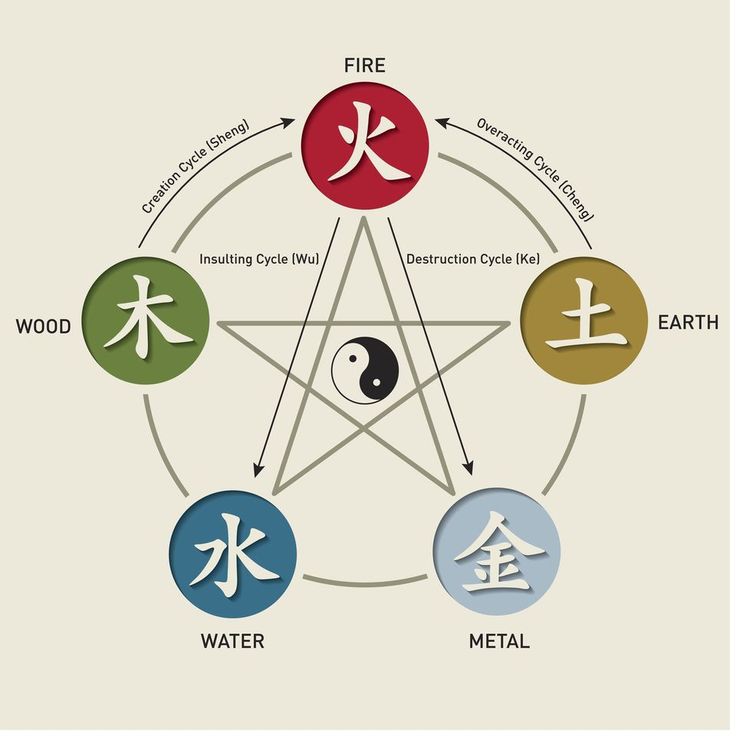
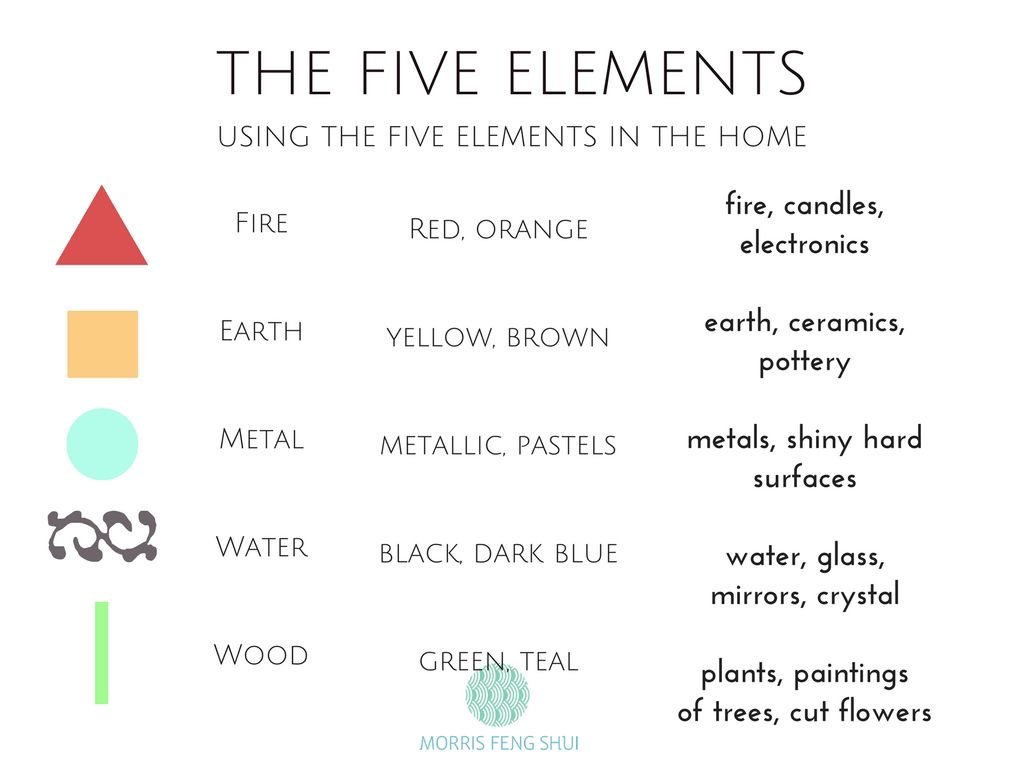
Fire: Passion, inspiration and visibility.
Earth: Self-care, boundaries and nourishment.
Metal: Joy, beauty and precision.
Water: Deep wisdom, connection to others and the world.
Wood: Growth, healing and vitality.
Bagua Map
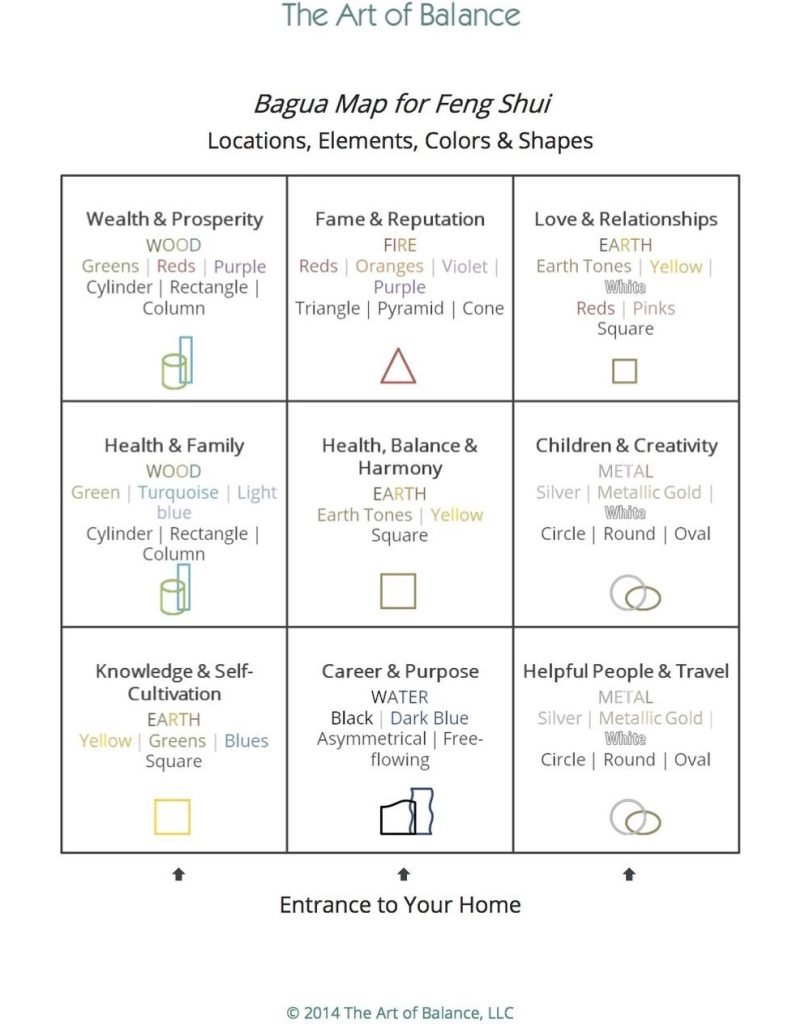
Together with the Bagua Map and the Five Elements, you can choose an aspect of your life you would like to improve, and incorporate furniture that responds to the associated colour, shape and material. It is important to just focus on one area at a time, instead of trying to improve several at once.
For example, to boost good fortune in your Health & Family, it is linked to the Wood element, so you would incorporate greens, blues and light tones in the shape of a cylinder or column, such as a tall green plant.
Why is Feng Shui Important?
Many believe that Feng Shui is important to encourage better flow and energy into everyday life. It can be used in offices to push good fortune in career and guide growth and success, or in a home to create a calming, welcoming environment.
Although it is a longstanding tradition in Chinese culture and has spread globally, there is no scientific evidence that it is effective. However, many people find that incorporating Feng Shui principles into their living environments brings them a sense of harmony and well-being, creating a more peaceful and positive environment.
Top 10 Feng Shui Tips for Apartments
- Declutter regularly: Clear out unnecessary items to allow energy to flow freely.
- Use the command position: Place your bed, desk, and sofa where you can see the door without being directly in line with it. If unable to place key furniture in the commanding position, use mirrors strategically to maintain visibility and reduce stress levels.
- Maximize natural light and fresh air: Open windows regularly and let fresh air and sunlight flow.
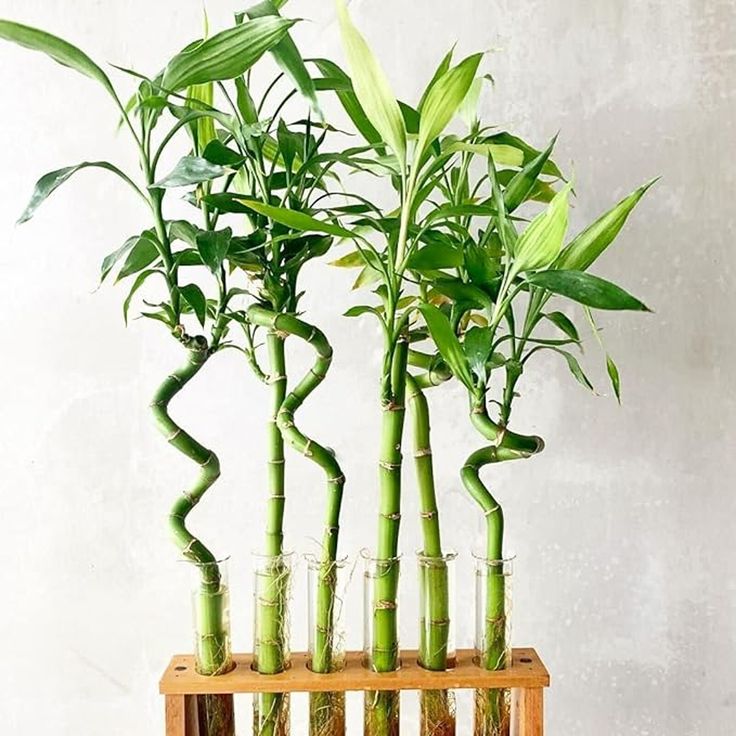
- Add plants: Introduce living plants to purify air and add vibrant energy.
- Use mirrors strategically: Reflect light, expand space and brighten rooms, but avoid reflecting clutter or negative elements.
- Define functional areas: Use rugs or furniture arrangement to create distinct spaces in open layouts.
- Apply colour psychology: Use colours that promote the energy you want in each room.
- Fix broken things: Repair or replace broken items to improve the flow of energy.
- Keep doors functional: Ensure all doors open fully without obstacles to welcome opportunities.
- Remove obstacles: Clear physical and emotional blocks from your daily pathways for smoother energy flow.
Room-by-room Feng Shui: Dos & Don’ts
Bedroom
Your bedroom is where you spend nearly a third of your life and represents you, and so creating an environment where you can sleep and feel well is crucial.
Do:
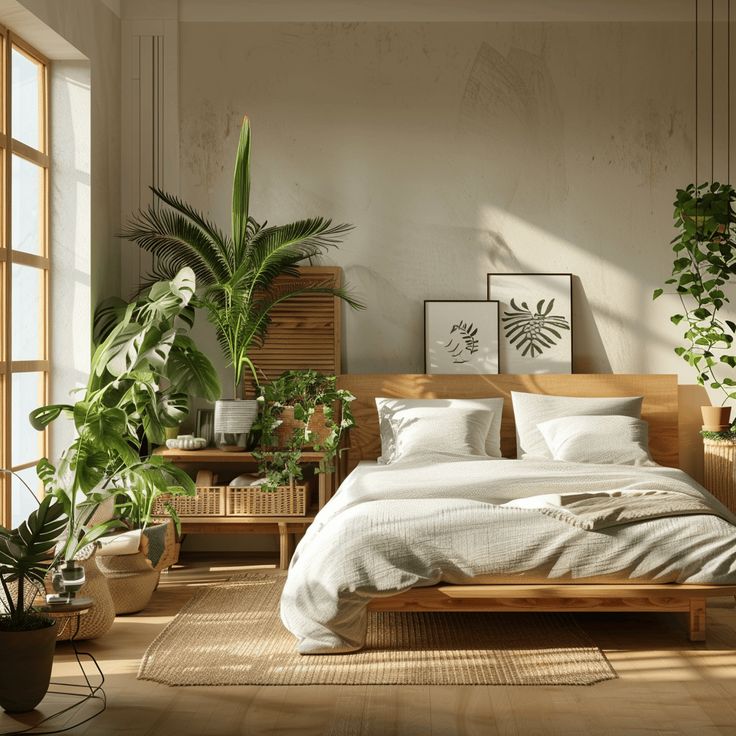
- Do place bed in commanding position, diagonally from door, with backboard firmly against wall to signify support.
- Do slightly favour Yin elements, calming earthy colours, soft shapes and materials.
- Do cleanse your bedroom with nice smelling scents, or even lavender when going to sleep.
Don’t:
- Don’t keep electronics, such as phones or laptop, in your room during sleep, as the yang energy being released could disturb your sleep. Instead, charge them overnight in another room.
- Don’t keep clutter under the bed, as it could impede the Qi flow and hinder good fortune. Instead, organise belongings into storage cupboards or clear them out.
- Don’t keep work related items in the bedroom if you can, as it can make it hard to switch off when it comes to winding down. It is better to keep work related items in a designated separated area for work.
Home Office
In Feng Shui traditions, your home office is a representative of your Career. By optimizing the space for good Qi flow, you are welcoming more good fortune into your professional life.
Do:
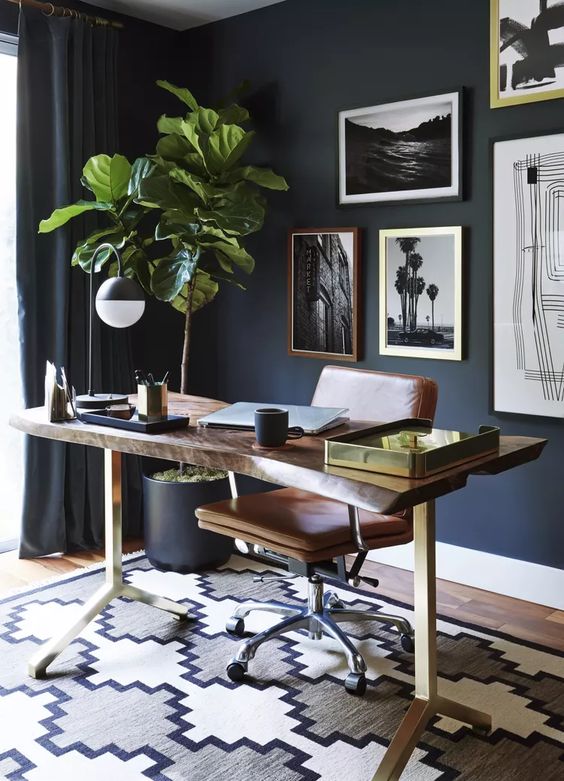
- Do incorporate the Wood element into the office space, such as plants or paintings of plants.
- Do use a chair with a tall back to provide support
- Do place the desk in the commanding position
Don’t:
- Don’t face a wall while working, face the space and allow Qi to flow in front of you.
- Don’t work in a poorly lit room, light is very important and so it is better to introduce lighting elements such as a corner lamp.
- Don’t leave clutter in office space, tidy home equals a tidy mind.
Kitchen
One of the top three Feng Shui rooms in your home is your Kitchen, as it is the hub of your health, nourishment and wellness.
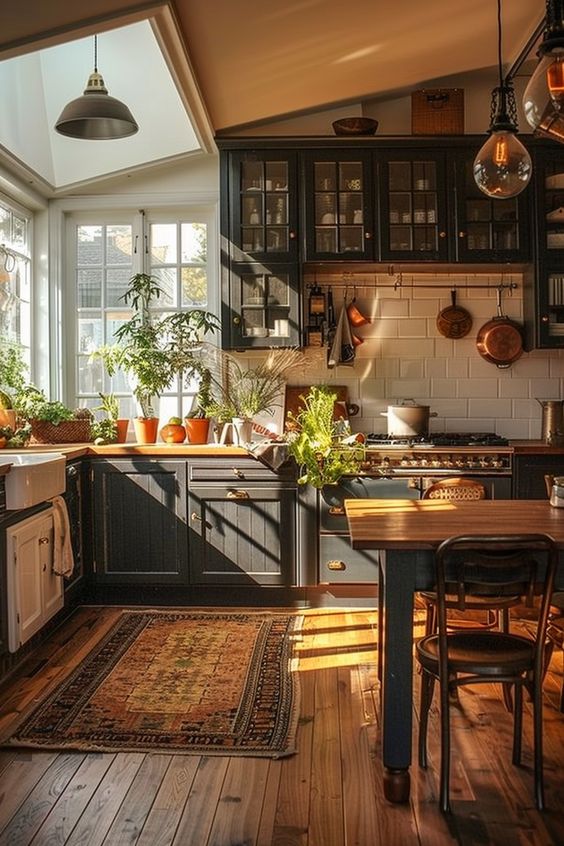
Do:
- Do keep the oven clean and in good condition
- Do keep fridge clean both in cleanliness and having only food in date and good to eat.
- Do have brighter yang elements, with lots of light and air flow.
Don’t:
- Don’t have knifes on display, as this invites bad fortune into the space. A better option is to keep them stored in a closed drawer.
- Don’t place your sink right next to the stove as it causes a clash between the Fire and Water elements, instead place a Wood element in between to buffer.
- Don’t have cluttered countertops as you won’t have enough space to prepare food that can properly nourish you.
Living Room
Your living room is more of a public space where you invite people to share a space and communicate with one another. It is important to create a warm and welcoming atmosphere.
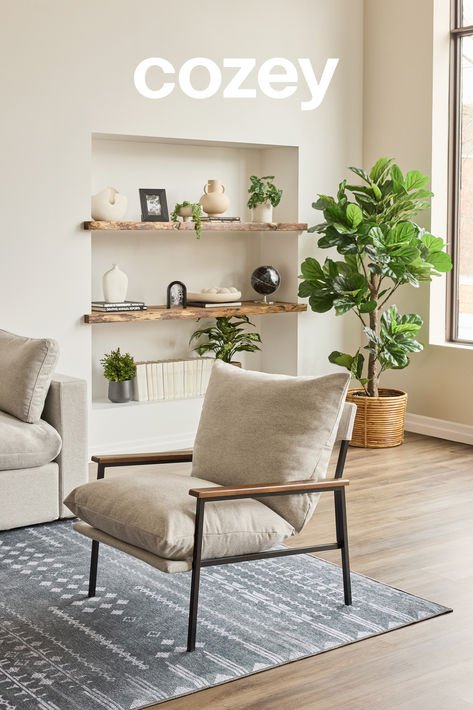
Do:
- Do have comfortable seating available for everyone in the household, as well as a few extra for guests.
- Do have live plants dotted around the room which represent kindness and growth.
- Do face the seating options towards each other to encourage communication and conversation.
Don’t:
- Don’t block natural light with furniture, let in as much light as possible.
- Don’t have furniture with the back facing the entrance as it creates a less welcoming space.
- Don’t have sharp corners and bare floors, opt for rugs and softer corners to make the space cozier.
Bathroom
With many water elements in a bathroom, it is important to balance the elements in the room to improve harmony.
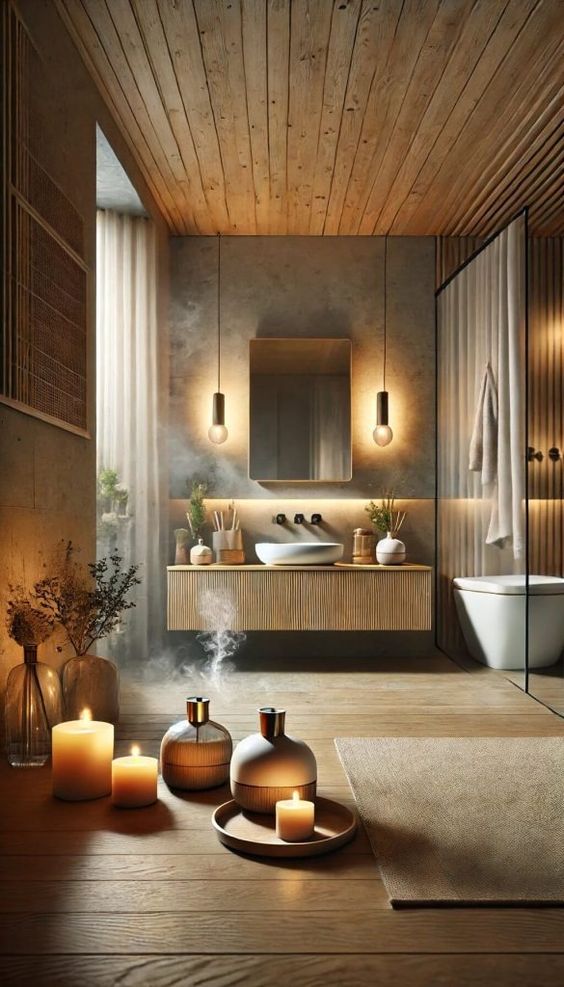
Do:
- Do keep the bathroom very clean to encourage the washing away of
- Do add plants to the bathroom, especially on top of the toilet to counteract the downward energy of the toilet into upward growth energy of the plant.
- Do keep light colours and windows frequently opened to allow air and Qi flow.
Don’t:
- Don’t leave the toilet seat and door open when not in use, as this can help to stop money flowing away down the drains.
- Don’t keep cleaning supplies in view, store them away in closed cupboards.
- Don’t leave drains uncovered, cover them with a plug when not in use.
Feng Shui No No’s
Finally, some main tips to avoid bad Feng Shui:
- Blocked entryways
- Excessive clutter in any area
- Broken items that don’t work
- Dried flowers or dead plants
- Mirrors facing the bed
- Sharp edges pointing at seating or sleeping areas
- Unfinished projects or repairs
Conclusion
So there we go, a few Feng Shui tips to get you started on your Feng Shui journey. Incorporating Feng Shui principles into your apartment can transform it into a harmonious place that supports your well-being and life aspirations. Remember, the key is to make changes gradually and not all at once, and trust your intuition. While following these guidelines, ensure that your space feels comfortable and personal to you. With mindful application of Feng Shui, you can create a living environment that not only looks great but also positively influences every aspect of your life.